Do I Need to Purchase Rental Car Insurance? Exploring Your Options
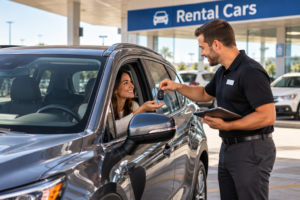
When you’re on vacation and renting a car, the rental agency will often ask if you want to purchase insurance coverage for the vehicle. It’s a common question that many travelers face: do I really need to buy rental car insurance? The answer depends on your specific situation and the coverage you already have.

One important factor to consider is your existing auto insurance policy. Before embarking on your vacation, it’s a good idea to reach out to your licensed insurance agent and discuss your coverage. Auto insurance policies can vary from person to person, so it’s crucial to understand the details of your policy and how it applies to rental cars. In many cases, if you have collision, comprehensive, and liability coverage on your personal auto policy, this coverage will extend to your rental car as a temporary replacement vehicle. However, it’s important to note any limitations or specific coverage amounts in your policy.

If you find that your personal auto policy provides limited coverage or you’re unsure about certain aspects, you can contact your credit card company to see if they offer any rental car insurance benefits. Some credit cards provide additional coverage for rental cars when used to pay for the rental. This can help fill any gaps in coverage and provide you with peace of mind during your trip.

When considering rental car insurance options, it’s essential to understand the different types of coverage available:

  1. Liability Coverage: This insurance covers damages to another vehicle, property, and medical expenses for the other party if you’re found liable for an accident.
  2. Personal Accident Coverage: It provides coverage for accidental death, medical expenses, and ambulance costs for you and your household members in the rental car.
  3. Collision Damage Coverage: This insurance pays for repairs to the rental car if you’re involved in an accident.
  4. Personal Effects Coverage: It protects personal items such as cell phones, purses, and computers that are lost or damaged during your rental period.
  5. Roadside Assistance: This coverage helps with roadside incidents like lost keys, lockouts, fuel outages, and flat tires.

Before making a decision, it’s crucial to consult with your licensed insurance agent to review your policy and understand your coverage needs. Additionally, if you decide to purchase insurance from the rental agency, make sure you carefully read and understand the terms and conditions of the policy.

Knowing the details of your insurance coverage can provide you with peace of mind during your vacation and potentially save you money. So, take the time to explore your options, understand your existing coverage, and make an informed decision about rental car insurance.
 

Safe Dog Ownership From A Liability Point Of View

Having a dog as a furry companion can bring immeasurable joy to your life. For dog owners, these beloved pets are cherished members of the family. However, it’s essential to remember that dog ownership comes with responsibilities and the potential for liability claims. Here are seven tips to help you lower your risk and protect yourself from a lawsuit.
  1. Understand Your Dog’s Breed: Each dog breed has its own unique traits and tendencies. Some breeds may have a reputation for being more aggressive, but even small dogs can display nipping behaviors. Educate yourself about your dog’s breed and its idiosyncrasies to better understand and address potential risks.
  2. Communicate with Adoption or Caretakers: If you’re adopting a dog, have a conversation with the adoption agency or caretaker about the dog’s behavior. Inquire about its interactions with children, other dogs, and cats to assess any potential issues and understand how to manage them effectively.
  3. Socialize Your Pet Early: Socialization plays a crucial role in helping your dog behave well around different animals and age groups. Expose your dog to various environments, people, and animals from a young age to reduce the likelihood of aggression and promote positive social behavior.
  4. Obedience Training: Investing in obedience training for your dog is beneficial regardless of its behavior towards other animals. Training can improve obedience, teach commands, and address specific behavioral issues, fostering a well-behaved and controlled pet.
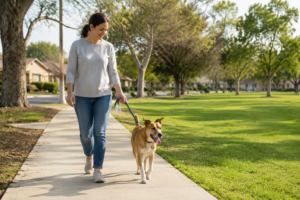
  5. Leash Your Dog: Familiarize yourself with leash laws in your city or state. Leash laws are in place to ensure the safety of people and wildlife. Whether you’re in a park or your neighborhood, keeping your dog on a leash helps maintain control and prevents potential incidents.
  6. Avoid Unattended Pets and Supervise around Children: Never leave your pet unattended, as unfamiliar situations can trigger unexpected behavior. When your dog is around children, always closely monitor their interactions. Small children may unknowingly provoke the animal or accidentally cause discomfort, leading to a reaction.
  7. Monitor Your Dog’s Behavior: Stay vigilant and observe any changes in your dog’s behavior. If you notice unusual aggression or signs of illness or pain, consult a veterinarian. Dogs may display unexpected aggression, even if their history suggests otherwise, when they are unwell or in discomfort.

Owning a pet is a delightful experience, but responsible pet ownership requires continuous attention and care. Even the most well-behaved dogs can exhibit inappropriate behavior in certain circumstances. In the event of an injury caused by your pet, having the right home or renters insurance policy can provide protection against potential lawsuits. Contact an insurance agent today to discuss how you can safeguard yourself from pet-related injury claims.


Does Auto Insurance Cover Food Delivery Drivers?

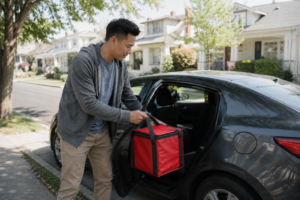
If you use your own vehicle to deliver food or other goods for work, earning extra income can be rewarding. However, it’s important to understand that a standard personal auto insurance policy typically does not cover delivery-related driving.
Drivers working with platforms such as Uber Eats, DoorDash, Postmates, Grubhub, ezCater, and similar services have specific insurance needs. Regardless of what you deliver, your personal auto policy may exclude coverage while you are working as a paid delivery driver. Depending on your situation, you may need a commercial auto insurance policy or a delivery endorsement added to your personal policy.

Proper coverage may be required for several types of delivery work, including food delivery, retail delivery, freight transportation, and courier services. Without the right insurance, you could be responsible for significant expenses if you are involved in an accident while making a delivery.

Failing to tell your insurance company that you use your vehicle for deliveries does not mean you will be covered. If your policy excludes delivery driving and you do not have the appropriate endorsement or commercial coverage, your claim could be denied following an accident.

The ownership of the vehicle also matters. If you drive a vehicle owned by your employer, the company may have a commercial auto policy in place. If you use your own vehicle, however, it is your responsibility to confirm that you have appropriate coverage. Any coverage offered by a delivery platform may also be limited and should not be assumed to replace your own insurance.

Before beginning delivery work—or if you are already making deliveries—speak with a licensed insurance agent. They can review your situation, explain your options, and help you find coverage that fits your needs.

Protect yourself, your vehicle, and your finances by making sure you are properly insured before hitting the road. The right coverage can give you greater peace of mind whenever you are making deliveries.

Insuring A Scooter Or A Moped

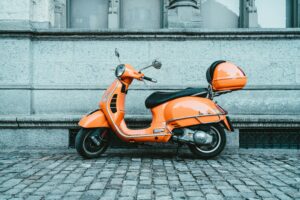
Riding a scooter or moped not only provides a fun and stylish mode of transportation, but it also offers benefits such as fuel economy and easy parking. One additional advantage that is often overlooked is the affordability of insurance for scooters and mopeds.
In certain situations, you may question whether insurance is necessary for a moped. After all, what’s the worst that can happen, right? However, it’s important to understand that the same risks associated with driving a vehicle apply to scooters as well, making insurance a requirement when riding one.

Let’s explore three scenarios where having a scooter or moped insurance policy can prove beneficial:

  1. Loss of Control: Picture yourself riding along on your scooter when it suddenly starts to rain. As a result, you lose control while navigating a corner, causing you to fall off your moped. Although you manage to avoid injury, your scooter slides onto the curb and unintentionally collides with a bystander. In this unfortunate event, you would be held liable for “failure to maintain control of your vehicle” and would have to cover the injured party’s medical expenses. This scenario demonstrates that similar liabilities exist in scooter accidents as they do in car accidents.
  2. Riding with a Friend: Imagine that you’re taking a joy ride around town on your Vespa with a friend who is visiting from out of town. After a stop at a pub, you believe you’re capable of driving safely. However, on the way home, you accidentally rear-end a stationary vehicle. Both you and your friend sustain injuries, and now you are accountable for your friend’s medical bills and potentially their lost wages. This situation emphasizes the importance of being adequately insured to protect yourself and your passengers in case of an unfortunate accident.
  3. Out of Gas: Now, let’s consider a scenario where you decide to embark on a countryside adventure with your moped. Unfortunately, you unintentionally forget to fill up the gas tank and find yourself stranded in the middle of nowhere. Luckily, you had the foresight to purchase a roadside assistance policy as part of your moped insurance coverage. You quickly contact your insurance company, and they come to your aid, providing fuel to ensure you can continue your journey without any hassle. This incident highlights the value of insurance coverages that include convenient services like roadside assistance.

While driving a scooter is undoubtedly enjoyable, it’s crucial to recognize that insuring your moped is not an expensive endeavor compared to auto insurance policies. Acquiring a scooter or moped insurance policy is not only a means of protecting your financial future but also safeguarding the well-being of those around you, including any passengers. It is a smart and responsible decision to ensure that you have adequate insurance coverage for your scooter or moped.

Remember, accidents can happen anytime and anywhere, regardless of the type of vehicle you’re operating. By obtaining a scooter or moped insurance policy, you can ride with confidence, knowing that you are protected financially and have fulfilled your responsibility towards others on the road. So, embrace the thrill of riding your scooter, but also prioritize your safety and the well-being of those around you by securing a comprehensive insurance policy tailored to your scooter or moped.


Tire Safety

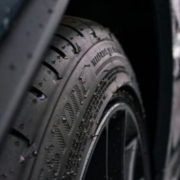
Ensuring the safety of your vehicle extends beyond just maintaining its mechanical components; it also involves regularly inspecting your tires for signs of wear and potential hazards. While tire pressure is important, there are other crucial aspects of tire safety that deserve attention. Familiarize yourself with these five signs indicating that it may be time to replace your tires, and prioritize your safety on the road.

  1. Tread Wear: The most obvious yet often overlooked aspect of tire safety is the tread depth. Bald tires pose significant risks, including hydroplaning, reduced stopping ability, and increased vulnerability to road hazards. Take the time to measure your tread depth, either at a tire shop or using the Tread Wear indicator present on most tires. If the tread has worn down to this indicator’s level, it indicates that your tires are no longer safe to drive on and should be replaced promptly.
  2. Cracks: Tires that have been in use for an extended period or have remained stationary for long periods, such as those on travel or utility trailers, can develop cracks in the tread. Examine the spaces between the tread carefully to detect any cracks. If you notice cracks, your tires are at a higher risk of experiencing a blowout, emphasizing the need for immediate replacement.
  3. Sidewall Gouges: Many of us have inadvertently hit a curb or a deep pothole while driving. When inspecting your tires, pay close attention to the sidewalls. If you spot a gouge or cut in the sidewall, it is a clear indication that the tire should be replaced. Sidewalls are thinner than the tread area and cannot be effectively repaired, making replacement necessary to maintain tire integrity.
  4. Uneven Wear: Improper vehicle alignment can lead to uneven tire wear, resulting in your vehicle pulling to one side while driving. During tire inspections, ensure that the tires are wearing evenly across their surface. Additionally, it is advisable to align your vehicle every 30,000 miles or as recommended by your vehicle manufacturer to prevent uneven wear patterns and maintain optimal handling.
  5. Spare Tire Usage: Spare tires are designed for temporary use only, primarily intended to get you to a safe location or a tire shop. Prolonged driving on a spare tire is not recommended. If you find yourself relying on a spare tire, it is essential to replace it with a regular tire as soon as possible to ensure adequate safety and performance on the road.

Driving comes with inherent risks, but driving on tires that are unfit for the road significantly increases those risks. By regularly inspecting your vehicle’s tires, you can identify potential hazards, prevent accidents, and avoid dangerous situations such as hydroplaning. At our agency, your safety is our top priority, and we are committed to providing you with the right insurance coverage. If you have any questions or concerns regarding your auto or other vehicle insurance, please don’t hesitate to contact us. Our knowledgeable team is ready to assist you, whether by reviewing your current policy or providing a personalized insurance quote. Drive safely and confidently with well-maintained tires and adequate insurance protection.

Matching Your Classic Car Insurance to Your Use and Needs

For those of us who have a passion for collecting classic cars, it’s important to have an insurance policy that aligns with our specific use and ensures the appropriate value coverage for these valuable assets. Insuring a classic car is different from insuring your everyday vehicle. Classic car insurance policies are typically more affordable and are based on an agreed value. These policies can be tailored to suit your specific vehicle, restoration stage, or usage. Here are some examples of how you can customize your classic car insurance policy:

  1. Agreed Value Coverage: Unlike a standard auto policy that pays based on depreciated actual cash value, classic car insurance can be written with an agreed value. You and the insurance company agree on the vehicle’s value upfront, helping ensure you receive that amount (less any deductible, if applicable) in the event of a covered total loss.
  2. Car Show & Collector Event Protection: Whether you’re displaying your vehicle at local shows, parades, club events, or exhibitions, many classic car policies are designed with collector use in mind and provide coverage while your vehicle is being transported or displayed at eligible events.
  3. Road Trip Coverage: For those who enjoy taking their classic car on road trips, there are specialized coverage options to protect you in case of breakdowns during your travels. These policies may provide additional benefits such as access to a replacement vehicle, coverage for food and shelter, and more, ensuring that your road trip experience remains enjoyable and worry-free.
  4. Original Replacement Parts: In the event of a loss, if you require unique parts to restore your classic car to its original condition, certain policies offer coverage for stock original replacement parts. This ensures that your vehicle can be restored using authentic components.

Every classic car enthusiast and their vehicle are unique, which is why it’s crucial to consult with an insurance agent to find the right policy for your specific needs. Additionally, if you have a personal umbrella policy with another insurance carrier, it’s important to consider their requirements. They may require you to carry sufficient coverage limits on your classic car to match the coverages on your everyday driver. This helps avoid any gaps in coverage, even if you rarely drive your classic car.

By working with an insurance agent experienced in classic car insurance, you can ensure that your beloved vehicle is adequately protected. They will help you navigate the intricacies of classic car insurance, tailor a policy to your unique requirements, and provide you with peace of mind knowing that your cherished asset is covered appropriately.

Understanding Swimming Pool Liability

Owning a swimming pool is a delightful luxury that requires diligent maintenance, but the joy it brings on a scorching summer day is truly priceless. If you have children, the pool quickly becomes their favorite gathering spot with friends. While owning a swimming pool can offer a fantastic experience, it also comes with a unique insurance liability risk.

Swimming pools pose various injury risks. However, you can mitigate these risks by implementing strict safety rules. Consider the following safety tips when it comes to pool usage:

  1. Supervision: Never leave children unattended near a swimming pool. Whenever your children or their friends want to use the pool, ensure that an adult is present at all times. If you are unable to supervise, ask another responsible parent to keep an eye on the pool activities.
  2. Walking Only: Water and concrete surfaces around the pool can be slippery. Minimize the chances of slip and fall accidents by insisting that everyone walks instead of runs near the pool area.
  3. Avoid Glass: Glass items near the pool are hazardous, as they can break and cause injuries. Discourage the use of glassware in the pool vicinity to prevent accidents.
  4. Regular Inspection: Regularly inspect pool accessories such as diving boards, slides, and flotation equipment for any signs of damage or wear. Promptly repair or replace any compromised items to ensure safety.
  5. Pool Fencing and Locking: Most insurance companies require a fence of at least four feet in height to enclose the pool area. Installing a secure fence and keeping it locked helps prevent unauthorized access and enhances safety.
  6. Teach Pool Safety: Educate your children about swimming and pool safety. Teaching them how to swim and emphasizing the importance of avoiding hazards like drains can significantly reduce the risk of accidents.
  7. Install an Alarm: Consider installing an alarm system that detects any unauthorized entry into the pool area. This provides an extra layer of safety by alerting you to potential dangers.
  8. Protect Your Pets: Animals are naturally drawn to water, especially on hot days. Ensure that your pool area is securely fenced to prevent pets from accidentally falling into the water when you’re not around.

Pools and spas offer endless fun and create cherished memories. By following proper safety precautions, you can enjoy these aquatic delights responsibly. If you have any questions regarding pool requirements for insurance purposes, our licensed agents are here to assist you. We can help ensure your property is insurable and provide guidance to ensure you have appropriate coverage in the event of a claim.

Preparing Your Camper Trailer For Summer Adventures: 6 Essential Steps

Preparing your camper trailer for summer adventuresAs summer approaches, camping enthusiasts eagerly anticipate venturing into the great outdoors and making the most of nature. If you own a camper or trailer, it’s essential to complete a quick tune-up to ensure your vehicle is ready for summer use. While some campers opt for professional servicing, it is entirely possible to perform the maintenance yourself. Here are six crucial areas to check when prepping your camper for summer adventures:

  1. Service the Axle and Hubs. One common issue with camper trailers is the risk of losing a wheel while on the road. Dry grease in the hubs and failed bearings can lead to the entire wheel detaching, resulting in a dangerous and alarming situation. Prevent this by having your bearings repacked by a local tire shop. This simple step will ensure your camper’s wheels remain securely attached.
  2. Inspect the Tires. Camper trailers often spend most of the year sitting unused, leading to the development of flat spots and cracks on the tires. These issues can pose significant safety risks. Inspect your camper’s tires for any cracks or signs of flat spots. To avoid flat spots, consider using specialized tire savers, which are readily available at affordable prices.
  3. Check for Mold. If your camper is stored outside or was put away while still wet, there’s a possibility of mold growth. Fortunately, surface mold is relatively easy to eliminate. Use a water and bleach solution to spray and kill the mold. Be cautious not to spray surfaces that may discolor, such as upholstery. Also, inspect areas prone to dampness, such as the bottom of walls, behind curtains, under the sink, and inside cabinets. If you detect dampness, open up the camper, run a fan overnight for improved circulation, and facilitate drying.
  4. Inspect and Test Your Lights. Before hitting the road, it’s essential to check the functionality of all your camper’s lights. This should be done regularly, not just at the start of the season, to ensure your safety on the road.
  5. Check for Propane Leaks. Your propane system can suffer damage from rodents or drying out and becoming bent. Your nose and ears are the best detectors of propane leaks. If you suspect a leak, use a soapy water solution to check your lines for bubbles that indicate damage or leaks. All campers should be equipped with a propane detector for added safety. If you suspect a leak, contact your local dealer for repairs or temporarily disconnect the propane until the issue is resolved.
  6. Flush the Water System. If you winterized your camper, make sure to thoroughly flush your potable water system. The antifreeze in your water lines should be the non-toxic variety containing propylene glycol. Regardless, flush the system thoroughly and dispose of the antifreeze in compliance with federal and state regulations, avoiding drains or streams.

If you need a policy review for your camper, don’t hesitate to reach out to our agency. A comprehensive RV policy review will ensure you have the best coverage at the most competitive price. We can also assist with additional coverage options if needed. Contact us today to get started on your worry-free camping adventures!

Protecting Your Home While On Vacation

Leaving your home for an extended period of time, whether for a vacation or as a snowbird seeking warmer climates, requires careful preparation to ensure the safety and security of your property. The last thing you want is to return to a home damaged by a burst pipe or burglarized. To protect your home and give yourself peace of mind while you’re away, follow this comprehensive checklist:

Protect from Theft:

  1. Notify the post office to hold your mail until your return. Alternatively, if you’ll be staying at your vacation home for an extended period, consider forwarding your mail to that address.
  2. Create the illusion that someone is still at home. Use automatic timers to turn lights on and off in different rooms, simulating movement throughout the house. For energy efficiency, opt for LED bulbs in lamps left on during the night.
  3. Install a security system or surveillance cameras. There are numerous affordable options available that can send you text notifications when motion is detected inside or outside your home. You can even view a live video stream and record any suspicious activity. If a package is delivered, ask a neighbor to collect it from your doorstep until your return.
  4. Safeguard small valuables. Store jewelry, guns, cash, social security cards, memory cards, and other valuable items in a hidden place or a secure safe. Choose a safe that is heavy and difficult to move, even if not bolted to the floor.
  5. Enlist the help of someone trustworthy or notify a neighbor. Request assistance with simple tasks such as bringing in your trash bin on the designated pickup day.

Protect Your Home From Damage:

  1. Always turn off the water supply. Prevent potential disasters like burst pipes or refrigerator leaks by shutting off the water. In colder climates, consider draining all the water from your pipes. Pay special attention to turning off the laundry supply lines or shut off the water at the junction box if you don’t want to cut off the supply entirely.
  2. Set an appropriate temperature on your thermostat. Keeping it at around 60 degrees Fahrenheit will help prevent pipes from freezing within ceilings or walls.
  3. Clean out your gutters. Before your departure, ensure that your gutters are free from debris. This simple task will prevent overflowing during heavy rains, which could lead to flooding or roof damage.

By completing these essential tasks before leaving, you can embark on your journey without unnecessary worry about the well-being of your home. Enjoy your time away, knowing that you have taken proactive steps to protect your property.

Why Uninsured Motorist Coverage Matters

“I was involved in an accident, and to make matters worse, the other party doesn’t have insurance.” It’s a frustrating and stressful situation that no one wants to experience. However, there are measures you can take to protect yourself from such incidents. One important aspect is having the right insurance coverage, specifically uninsured motorist coverage, which can provide you with the necessary financial support in these unfortunate circumstances.

How Common Are Uninsured Drivers?

According to the National Association of Insurance Commissioners, about 1 in every 8 drivers in the United States is uninsured.

That means there’s a real chance you could be involved in an accident with someone who can’t cover your damages.

What Coverage Helps Protect You?

Uninsured motorist coverage is designed specifically for situations like this. While optional in many states, it’s widely available and highly recommended.

There are two main types:

Uninsured Motorist Property Damage (UMPD)

  • Covers damage to your vehicle caused by an uninsured driver
  • May also apply to hit-and-run accidents
  • Helps pay for repairs or replacement

Uninsured Motorist Bodily Injury (UMBI)

  • Covers medical expenses if you’re injured by an uninsured driver
  • May also cover passengers in your vehicle
  • Helps reduce the financial burden of medical bills

Don’t Overlook Underinsured Motorist Coverage

Not all drivers without enough coverage are completely uninsured.

Underinsured Motorist (UIM) coverage applies when the at-fault driver has insurance—but not enough to fully cover your losses.

This coverage can help with:

  • Medical expenses
  • Lost wages
  • Additional damages or settlements

Choosing the Right Coverage

Coverage options, limits, and requirements vary by state, so it’s important to review your policy carefully.

Working with an insurance professional can help ensure:

  • You understand your options
  • Your coverage matches your risk
  • You’re not left exposed after an accident

Protect Yourself Before It Happens

Accidents involving uninsured or underinsured drivers can create serious financial stress. Having the right coverage in place helps protect both your finances and your peace of mind.

Taking a few minutes now to review your policy can make a big difference later.